


Uma correia de transmissão e uma correia dentada ficam a apenas alguns centímetros de distância sob o capô, mas são projetadas para cargas totalmente diferentes, construídas com pilhas de materiais diferentes e falham de maneiras totalmente diferentes. Esta página aborda a ciência dos materiais, o comportamento do desgaste e a economia de substituição por trás de ambos os componentes, usando os padrões de design referenciados durante a produção e fornecimento de materiais.
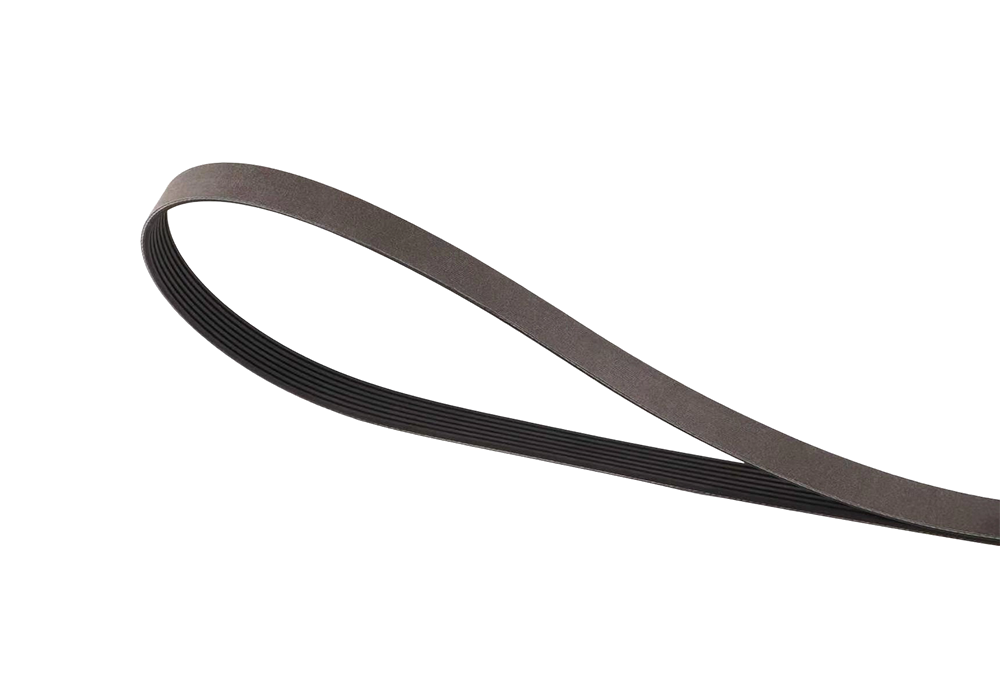
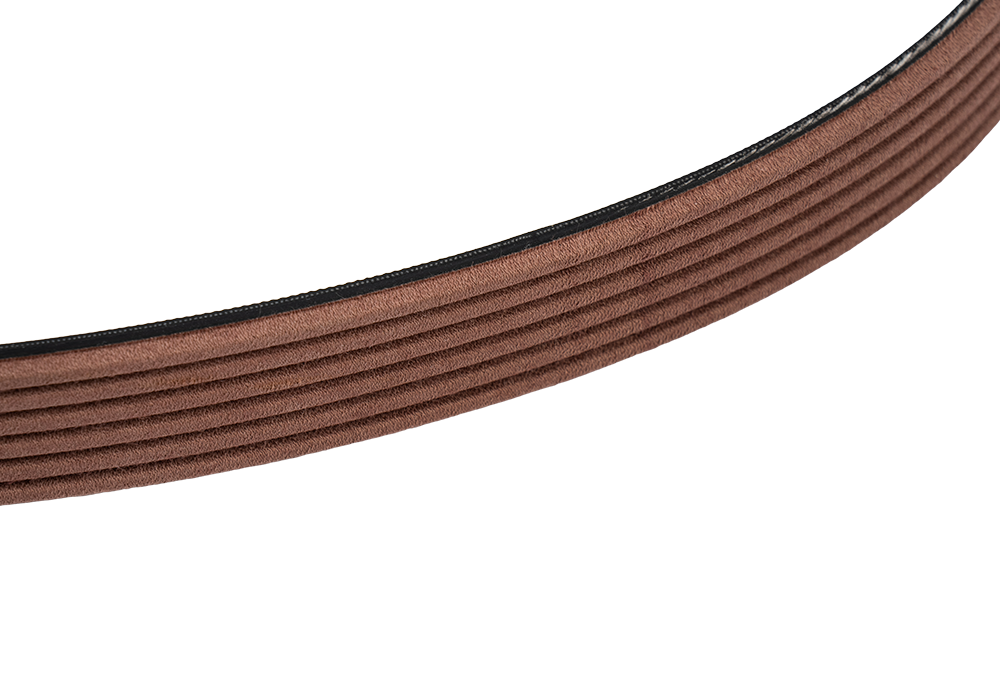
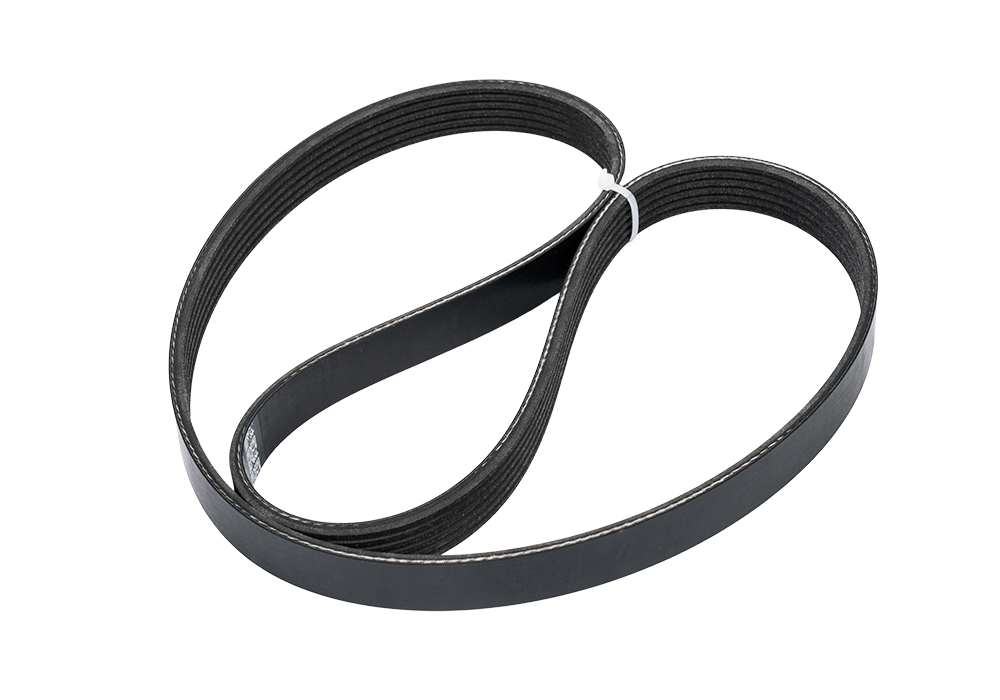
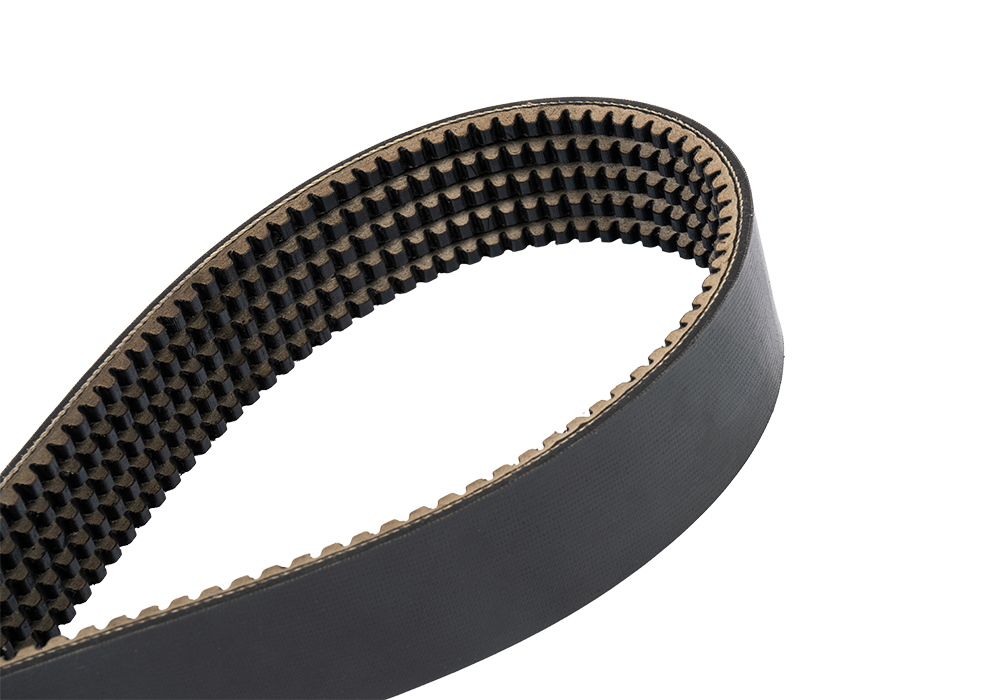
A correia de transmissão o cinto montado externamente é visível quando o capô está aberto. Ele envolve a polia do virabrequim e uma série de polias acessórias, transmitindo força rotacional ao alternador, bomba de direção hidráulica, compressor de ar condicionado e, em muitos layouts, também à bomba d'água. A superfície de contato é um perfil com nervuras que adere por fricção em vez de intertravamento mecânico, e é por isso que a formulação do composto, a profundidade das nervuras e o alinhamento da polia influenciam por quanto tempo a correia mantém a tensão antes do envidraçamento se instalar.
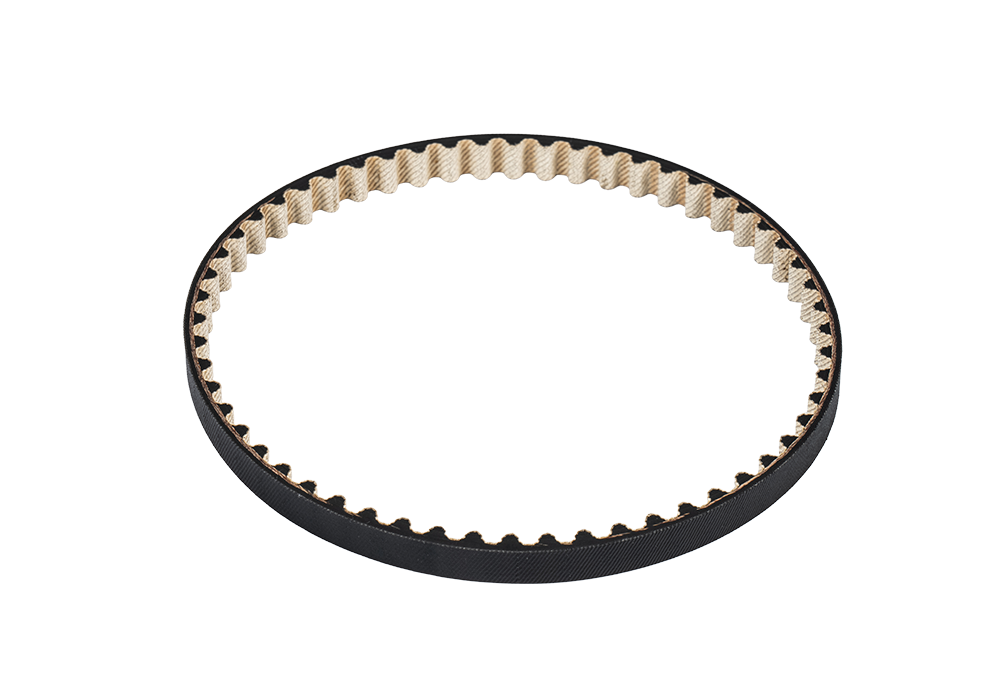
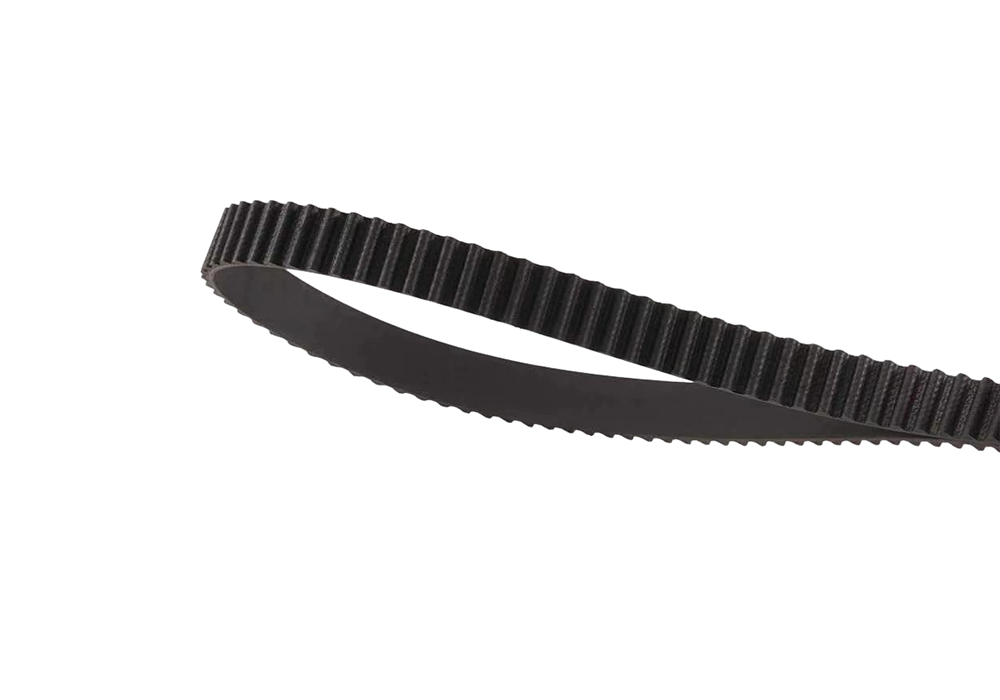
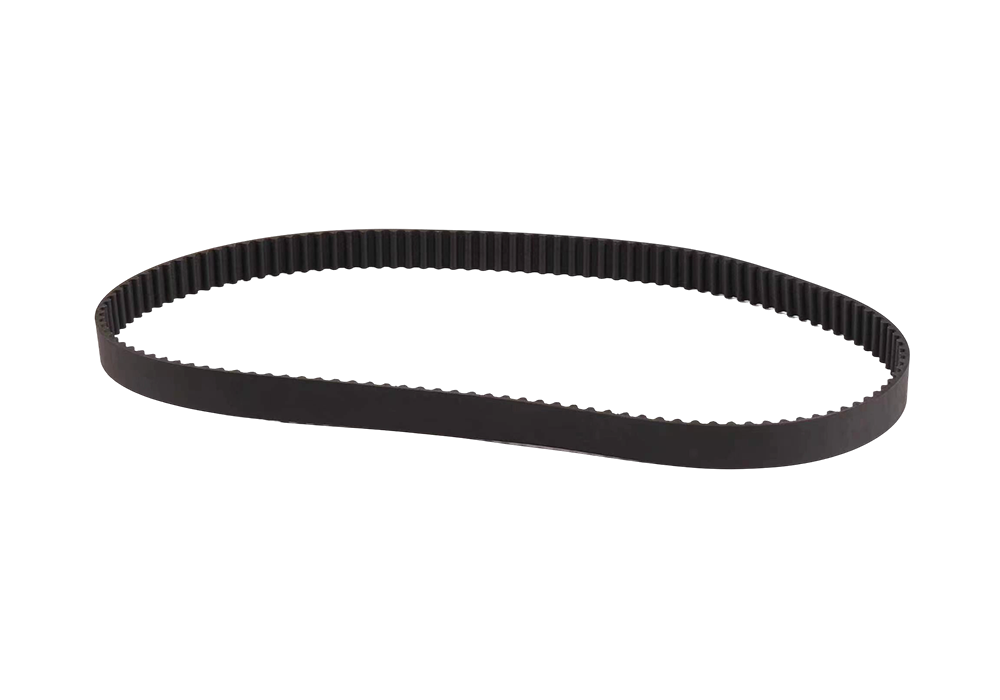
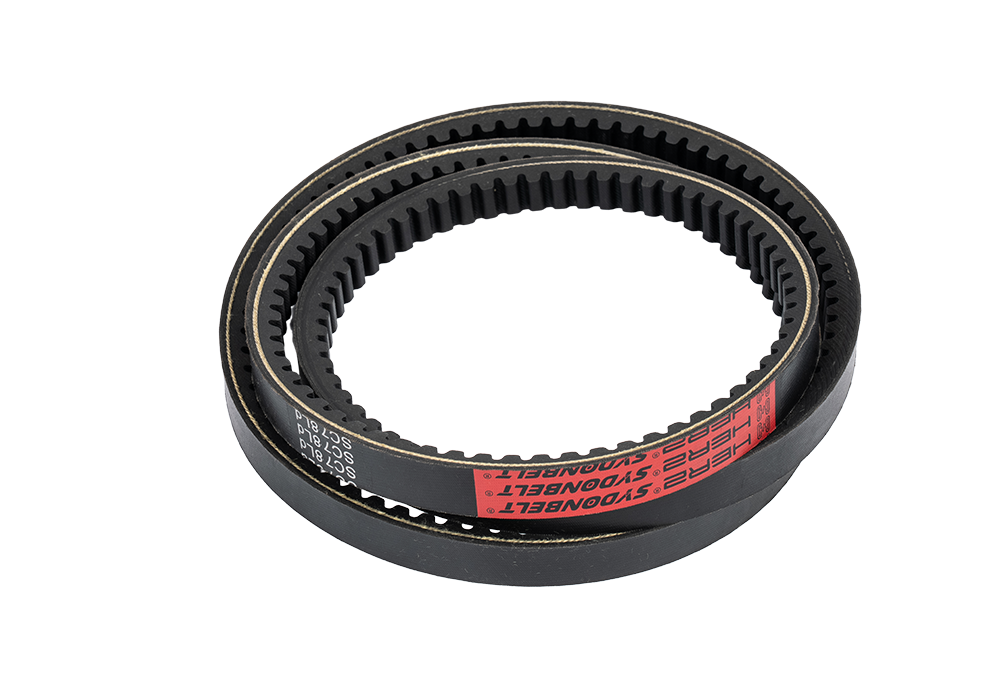
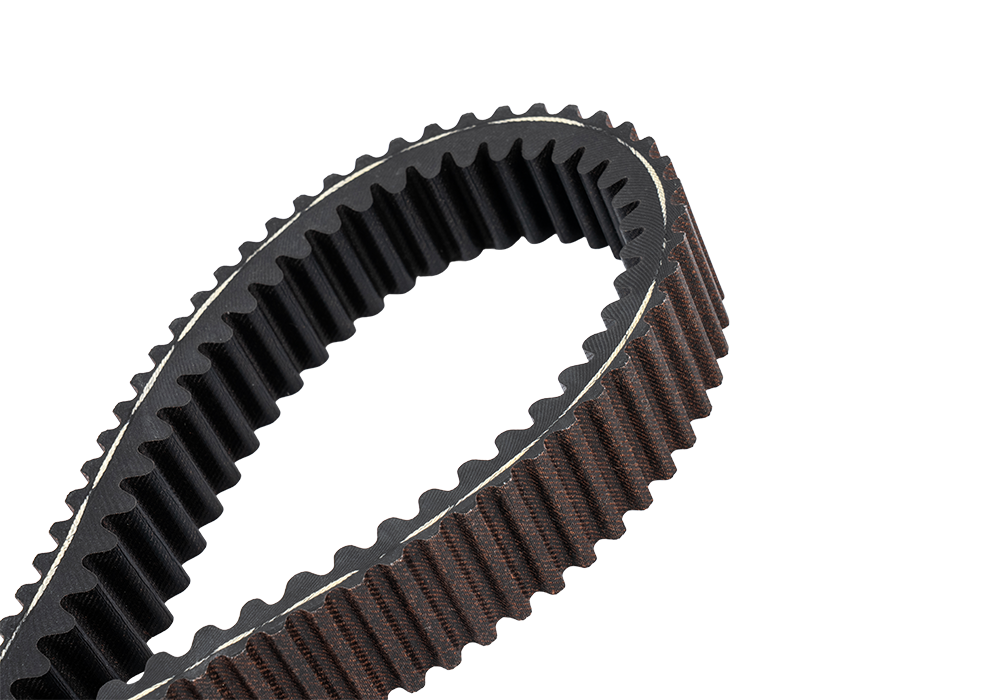
A correia dentada ocupa uma posição completamente diferente na arquitetura do motor. Ele fica atrás de uma capa protetora, fora da vista durante uma inspeção de rotina, e sua função é manter o virabrequim e o eixo de comando girando em uma proporção fixa, normalmente duas rotações do virabrequim para cada rotação do eixo de comando em um motor de quatro tempos. Em vez de agarrar através do atrito, uma correia dentada utiliza um perfil dentado que engrena diretamente com os dentes da engrenagem na cambota e nas rodas dentadas da árvore de cames, o que lhe permite manter o sincronismo exato das válvulas ao longo de dezenas de milhares de quilómetros sem escorregar.
A comparação do desempenho da correia de transmissão com a da correia dentada começa com o tipo de carga. Uma correia de transmissão sofre carga de atrito contínua e moderada, espalhada por várias polias acessórias, e a direção da carga raramente é invertida. Uma correia dentada experimenta uma reversão cíclica de torque toda vez que uma mola de válvula é comprimida e liberada, o que coloca repetidas tensões de fadiga flexível nos cabos de tensão que passam pelo corpo da correia. Esta é a razão pela qual os cabos de reforço da correia dentada são especificados primeiro para resistência à fadiga e depois para resistência à tração, enquanto o reforço da correia de transmissão é especificado principalmente para estabilidade das costelas sob contato de atrito sustentado.
O dimensionamento também difere. A largura da correia de transmissão e a contagem de costelas correspondem ao consumo combinado de potência dos acessórios que ela aciona, portanto, um veículo com um compressor de ar condicionado maior ou um alternador de maior potência normalmente especifica uma correia mais larga. A largura da correia dentada e o passo dos dentes correspondem ao torque necessário para girar o eixo de comando contra a resistência da mola da válvula em todos os pontos da faixa de RPM, incluindo partida a frio, onde o óleo é mais espesso e a resistência é mais alta.
A correia de transmissão é igual à correia dentada? Não. Uma delas é uma correia acessória de acionamento por fricção montada fora do motor. A outra é uma correia de sincronização de malha positiva montada dentro da tampa de distribuição. Eles compartilham uma categoria material, não uma função.
Essa distinção é mais importante quando ocorre uma falha. Se uma correia de transmissão falhar, o alternador para de carregar, a bomba da direção hidráulica para de ajudar e o compressor do ar condicionado para de funcionar, mas o próprio motor normalmente continua funcionando, pelo menos o tempo suficiente para atingir um ponto de parada seguro. Se uma correia dentada falhar, a rotação da árvore de cames para instantaneamente. Em layouts de motor onde o percurso do pistão e o percurso da válvula se sobrepõem, conhecidos como projetos de motor de interferência, um eixo de comando parado combinado com um virabrequim ainda girando cria um risco de colisão física direta entre válvulas e pistões em uma fração de segundo.
As correias de nível de produção são construídas com tolerâncias de materiais definidas, em vez de formulações de borracha de uso geral. A tabela abaixo lista as diferenças de especificação referenciadas com mais frequência durante a validação do projeto, seleção de compostos e revisão de tolerância dimensional.
| Especificação | Correia de transmissão | Correia dentada |
| Material principal | Composto de borracha EPDM, reforço de nervuras de poliéster | Composto de cloropreno ou HNBR, cabos de tensão de aramida ou fibra de vidro |
| Método de condução | Contato de fricção, perfil com nervuras | Malha positiva, perfil dentado |
| Padrão de carga | Frequência de reversão contínua e baixa | Frequência de reversão cíclica e alta |
| Faixa de temperatura operacional | -40°C a 120°C | -40°C a 150°C |
| Resistência à tração típica | Moderado, dimensionado para carga de acessórios | Alto, dimensionado para reversão de torque do trem de válvulas |
| Posição | Externo, visível durante a inspeção | Interno, atrás da tampa de distribuição |
| Intervalo de substituição padrão | 60.000–100.000 km | 80.000–160.000 km, dependendo do modelo |
| Modo de falha | Vidros, fissuras, separação de nervuras | Cisalhamento dentário, fadiga do cordão umbilical, fratura súbita |
| Aviso de pré-falha | Rachaduras visíveis, guinchos, vidros | Muitas vezes mínimo ou nenhum |
A degradação da correia dentada não segue um único sintoma visível como acontece com muitos outros componentes. Em vez disso, o desgaste acumula-se em vários mecanismos independentes simultaneamente, e o ponto em que esses mecanismos se combinam numa fratura é difícil de prever a partir do exterior. As etapas abaixo descrevem a progressão interna típica, e não uma lista de verificação que um motorista possa inspecionar diretamente, uma vez que a própria correia permanece escondida atrás da tampa de distribuição durante toda a sua vida útil.
O calor sustentado sob o capô reduz gradualmente a elasticidade do composto de borracha que envolve os cordões de reforço. Um composto endurecido resiste à flexão em torno da cambota e das rodas dentadas da árvore de cames, concentrando a tensão na base de cada dente.
Ciclos repetidos de malha introduzem fissuras finas na base dos dentes individuais. Cada fissura é microscópica por si só, mas o efeito cumulativo reduz a resistência ao cisalhamento do perfil do dente ao longo de rotações sucessivas.
Os cabos de reforço que percorrem toda a extensão da correia absorvem a reversão do torque gerada pela carga da mola da válvula. A fadiga se acumula como microfraturas nos fios de fibra individuais, reduzindo gradualmente a capacidade de tração efetiva do cordão.
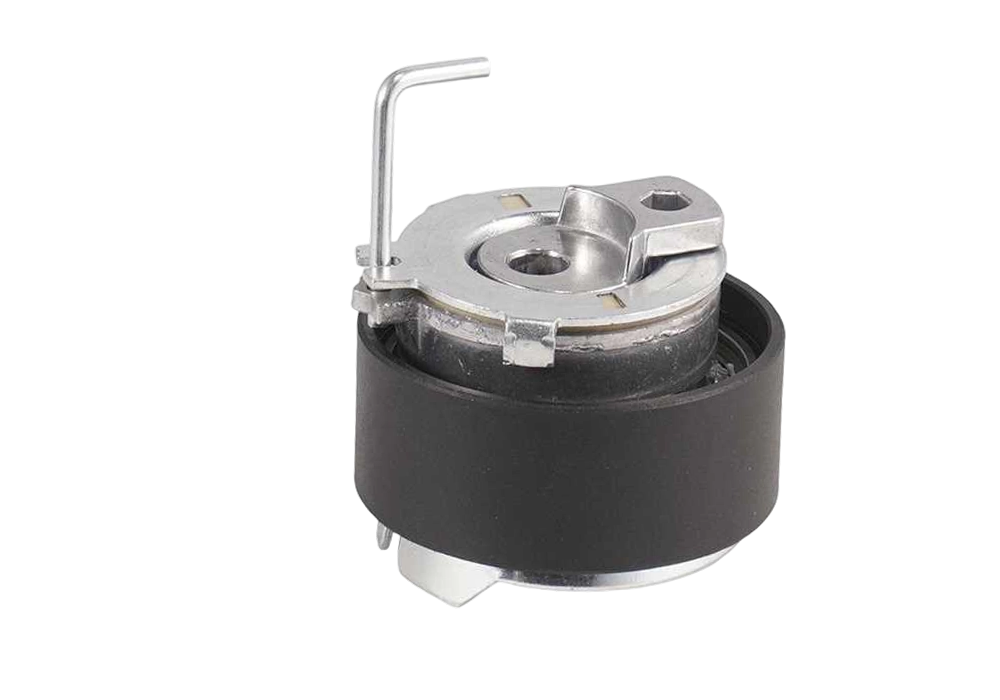
À medida que a correia perde elasticidade, o conjunto tensor compensa ajustando a mola ou a pressão hidráulica. Quando o tensor atinge o limite da sua faixa de ajuste, a folga da correia aumenta e o engate dos dentes torna-se menos preciso.
Uma vez que os danos acumulados nos dentes e na corda excedem a margem estrutural restante da correia, a falha normalmente ocorre de forma abrupta, em vez de progressiva, muitas vezes sem um intervalo de aviso distinto imediatamente antes.
Não existe um número fixo de quilometragem que se aplique uniformemente a todos os motores, porque os cinco mecanismos de desgaste descritos acima progridem em taxas diferentes, dependendo da temperatura operacional, do ciclo de trabalho, da condição do óleo e do histórico de manutenção anterior. Dois veículos do mesmo modelo, percorridos pela mesma distância, podem chegar a pontos muito diferentes na curva de desgaste se um deles tiver passado mais tempo em ciclos térmicos de pára-arranca e o outro em operação constante em rodovia.
O que pode ser afirmado com segurança é a direção do risco. Uma vez por correia dentada for confirmado que está dentro ou além do intervalo nominal, cada rotação adicional aumenta a fadiga acumulada do dente e da corda sem qualquer redução correspondente na carga. A posição segura da engenharia é tratar o intervalo especificado pelo fabricante como o limite externo da operação confiável, não como um alvo fácil que pode ser estendido com base em como o veículo soa ou se sente atualmente.
O endurecimento do composto, microfissuras dentárias, fadiga do cordão e desvio do tensor progridem de forma independente. Uma correia pode parecer visualmente intacta do lado de fora da tampa de distribuição, embora já apresente fadiga interna significativa na estrutura do cordão, que é a principal razão pela qual a substituição baseada na quilometragem supera a substituição baseada em sintomas para este componente específico.
A operação contínua não é aconselhável quando os indicadores de desgaste estiverem presentes ou quando a correia atingir seu intervalo nominal. Ao contrário de uma correia de transmissão, que normalmente apresenta rachaduras visíveis, vidros ou um guincho audível antes de falhar, uma fratura da correia dentada ocorre frequentemente com muito pouco aviso externo, uma vez que a correia em si não é visível durante o uso normal e a fadiga interna acumulada não produz de forma confiável uma assinatura de ruído ou vibração antes do tempo.
Uma fratura na velocidade operacional remove o acionamento do eixo de comando instantaneamente. Em um layout de motor de interferência, isso cria um risco imediato de contato entre as válvulas e os pistões, uma vez que a rotação do virabrequim continua brevemente sob impulso enquanto a rotação do eixo de comando para. O curso de ação mais seguro, quando há suspeita de que uma correia dentada está próxima ou ultrapassada de seu intervalo de serviço, é providenciar a inspeção ou substituição antes de continuar a dirigir, e não após o aparecimento de um sintoma.
Do ponto de vista do controle de custos, a substituição programada compara-se favoravelmente com a substituição causada por falhas em quase todos os casos. A comparação abaixo descreve o que cada caminho normalmente envolve, com base nos componentes afetados em cada cenário.
O tensor, as polias intermediárias e, em muitos layouts, a bomba de água compartilham o mesmo ciclo de trabalho que a própria correia dentada, razão pela qual substituí-los juntos durante um intervalo programado evita uma segunda desmontagem da mesma área pouco tempo depois. Essa abordagem agrupada é uma prática padrão na maioria dos cronogramas de serviços dos fabricantes, precisamente porque a mão de obra necessária para acessar a correia dentada é basicamente a mesma necessária para acessar os componentes adjacentes.
O desempenho consistente da correia em campo depende do controle do processo durante a produção, não apenas da especificação da matéria-prima. As etapas abaixo descrevem a sequência normalmente seguida desde a preparação do composto até a inspeção dimensional final.
Os lotes de compostos de borracha são testados quanto à dureza, alongamento e resistência ao envelhecimento térmico antes de serem aprovados para moldagem, uma vez que a variação nesta fase permeia toda a produção.
Os cabos de reforço são colocados e tensionados de acordo com uma especificação controlada durante a moldagem, uma vez que a tensão irregular dos cabos cria pontos fracos localizados que surgem como falha prematura por fadiga posteriormente em serviço.
O passo e a profundidade dos dentes são moldados para uma tolerância dimensional rigorosa, uma vez que mesmo pequenos desvios de passo se acumulam em desvios mensuráveis de sincronização do eixo de comando durante o intervalo de manutenção da correia.
As correias acabadas são medidas quanto ao comprimento, largura e consistência do passo dos dentes, confirmando que a tensão instalada permanecerá dentro da especificação durante todo o intervalo nominal, uma vez montadas.
Amostras de correias de cada lote passam por fadiga flexível acelerada e ciclos de carga para validar se a combinação de composto e cabo atende ao intervalo de serviço nominal antes do lote ser liberado.
A tolerância estreita do passo mantém a sincronização da árvore de comando dentro das especificações em todo o intervalo nominal, evitando desvio gradual da sincronização da válvula.
Os cabos de reforço são selecionados para resistência repetida à fadiga por flexão, uma vez que uma correia dentada flexiona em torno de múltiplas polias milhões de vezes antes de atingir seu intervalo nominal.
Os compostos da correia de transmissão e da correia dentada são formulados para resistir ao endurecimento sob calor prolongado, reduzindo a probabilidade de rachaduras repentinas.
As tolerâncias de comprimento e largura são controladas para que a tensão instalada permaneça dentro das especificações durante todo o intervalo, reduzindo o desgaste prematuro do tensor.
O que é uma correia de transmissão e correia dentada, In Practical Terms
Uma correia de transmissão é a correia externa visível que alimenta acessórios, como o alternador e o compressor de ar condicionado. Uma correia dentada é a correia interna com perfil dentado escondida atrás da tampa de distribuição que mantém o virabrequim e o eixo de comando girando na proporção exata que o projeto do motor exige.
Correia de transmissão ou correia dentada: o que falha de forma mais previsível
Uma correia de transmissão geralmente fornece aviso visível através de rachaduras, vidros ou guinchos antes da falha. A posição interna de uma correia dentada significa que muitas vezes ela fornece pouco ou nenhum aviso externo, razão pela qual sua substituição é baseada na quilometragem e não nos sintomas observados.
A correia de transmissão é igual à correia dentada
Não. Eles diferem em posição, método de acionamento, padrão de carga e consequência da falha. Uma correia de transmissão usa contato de fricção para alimentação acessória. Uma correia dentada usa contato de malha positiva dentada para sincronização da árvore de cames.
Vale a pena substituir a correia dentada antes que apareça um sintoma
Sim, com base apenas na comparação de custos. A substituição programada está limitada ao conjunto da correia, do tensor e da polia. A substituição causada por falhas, especialmente em um motor de interferência, pode se estender a válvulas, pistões e, em casos graves, à reconstrução completa do cabeçote do cilindro.
Seja comparando as especificações da correia de transmissão entre plataformas de motor ou avaliando o tempo de substituição da correia dentada, combinar o componente com seu perfil de dente nominal, composto de material e especificação de tensão determina se ele funciona em todo o intervalo projetado em vez de atingir a falha antes do previsto em condições normais de operação.




 English
 Español
 Português
 عربى
عربى