


Seu mecânico aponta para uma correia de borracha com nervuras sob o capô e diz que é hora de uma nova correia de transmissão. Você também deve ter notado um pequeno grito nas manhãs frias. Uma substituição é realmente necessária? Na maioria dos casos, sim. Uma correia de transmissão que apresenta rachaduras, vidros, seções faltantes ou produz ruído já começou a falhar. Substituí-lo antecipadamente é mais barato do que esperar que ele se quebre na estrada.
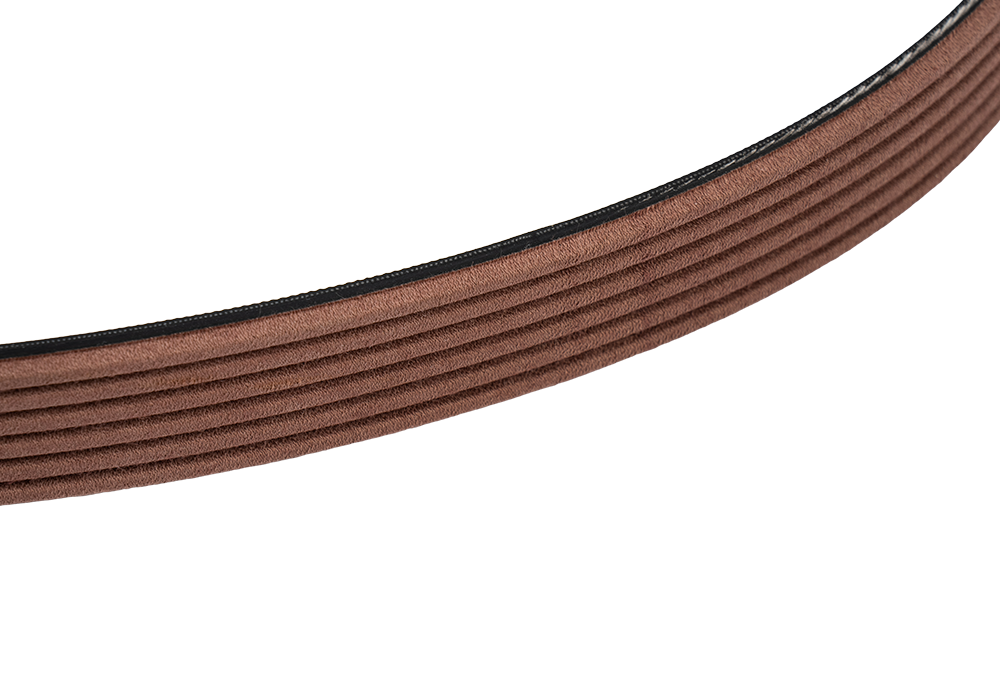
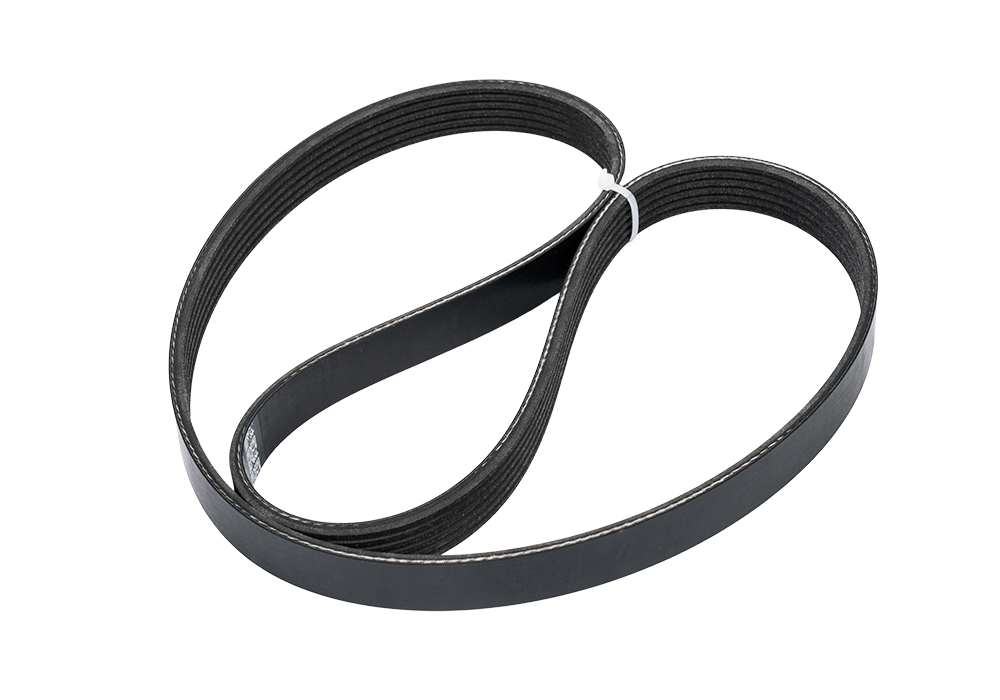
Na maioria dos carros modernos, a correia de transmissão - muitas vezes chamada de correia serpentina - é uma longa correia com nervuras que gira em torno da polia do virabrequim e aciona o alternador, a bomba de direção hidráulica, o compressor de ar condicionado e, às vezes, a bomba d'água. É o único elo entre o motor e estes acessórios. Se a correia escorregar ou quebrar, esses acessórios perderão potência. O motor ainda pode funcionar, mas a bateria não carrega, a direção pode ficar pesada, o ar condicionado para de esfriar e o motor pode superaquecer.
Embora seja fácil confundir a correia de transmissão com uma correia dentada, elas têm finalidades muito diferentes. A correia de transmissão fica fora do motor e aciona os acessórios; a correia dentada está dentro da tampa do motor e controla o sincronismo das válvulas. Se você não tiver certeza de qual parte está sendo discutida, o diferença entre uma correia de transmissão e uma correia dentada explica a distinção em linguagem simples.
Abra o capô com o motor frio e observe o lado estriado da correia. Uma boa iluminação ajuda. Compare o que você vê com a tabela abaixo. Você não precisa conhecer todas as especificações da correia para detectar desgaste óbvio.
| Assinar | O que isso significa | Ação |
|---|---|---|
| Rachaduras nas costelas | A borracha está seca e menos flexível | Substitua dentro de algumas centenas de quilômetros |
| Pedaços ou pedaços faltando | O material está se rompendo | Substitua antes de continuar a conduzir |
| Superfície brilhante ou esmaltada | A correia escorregou nas polias | Substitua a correia e inspecione o tensor |
| Bordas desgastadas | O cinto está esfregando em algo ou desgastado de maneira irregular | Substitua a correia e verifique o alinhamento da polia |
| Costelas lisas e carecas | O cinto perdeu seu perfil emocionante | Substitua a correia em breve |
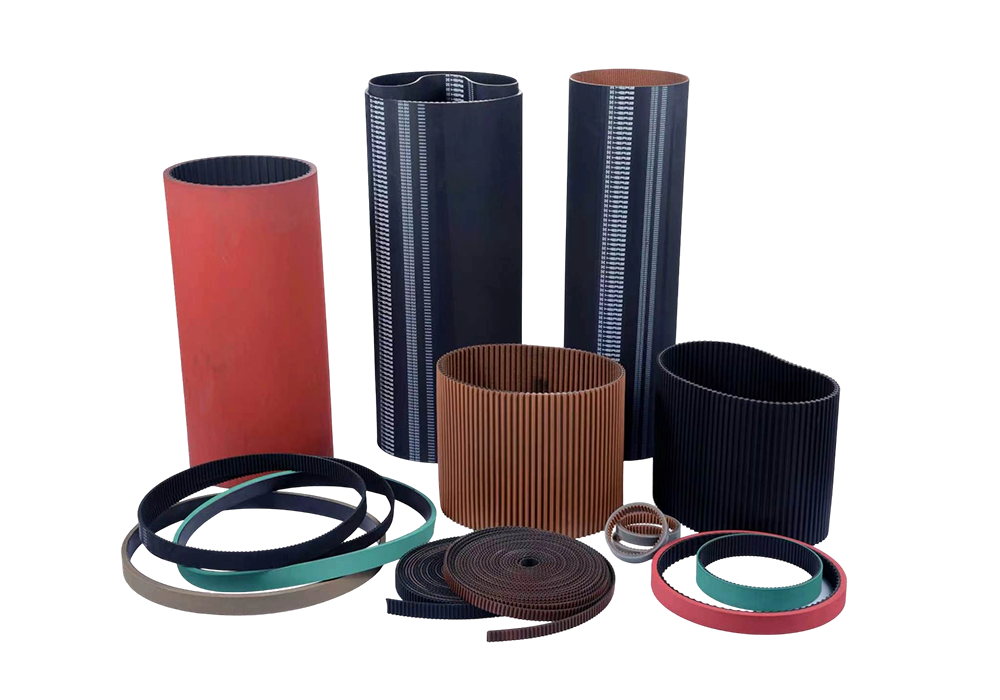
Rachaduras não cicatrizam. Assim que a borracha começar a quebrar, o calor e a flexão farão com que o dano se espalhe rapidamente. O material usado em uma correia de reposição também é importante. Um Correia de transmissão serpentina EPDM resiste melhor ao calor e ao ozônio do que a borracha lisa, o que ajuda a durar mais tempo em um compartimento de motor quente.
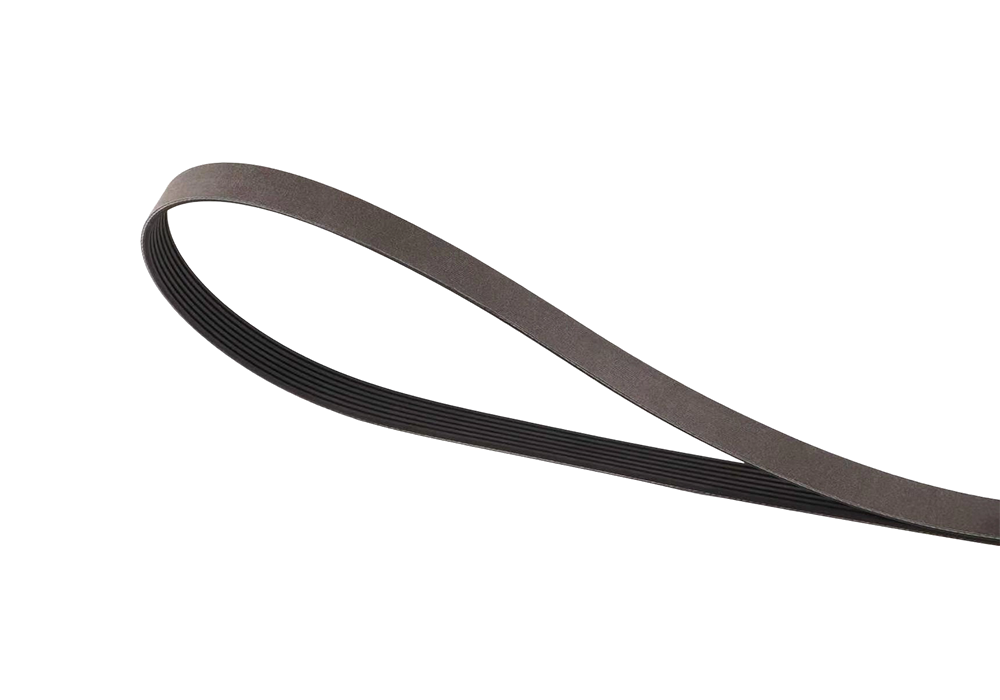 Fornecedores personalizados de correia de transmissão serpentina EPDM, fábrica OEM/ODM - Ningbo Herz Techn Ningbo Herz Technology Co., Ltd. é fornecedor de correia de transmissão serpentina EPDM na China e fábrica OEM, detalhes: Correia de transmissão serpentina EPDM, feita ... Ver Produto →
 Você não precisa de ferramentas especiais para avaliar a correia. Estacione em uma superfície nivelada, desligue o motor e deixe esfriar. Em seguida, siga estas três etapas:
Se alguma etapa revelar algo incomum, apenas uma inspeção visual é suficiente para justificar uma substituição.
Gritar é o aviso mais familiar. Muitas vezes aparece na partida a frio, durante a chuva, quando o ar condicionado está ligado ou quando você gira o volante totalmente. O som significa que a correia está escorregando em uma das polias. O deslizamento pode ser causado por uma correia vitrificada, um tensor fraco ou uma polia acessória emperrada.
O chilrear ou o tique-taque podem indicar uma correia rachada ou uma polia desalinhada, em vez de um simples vidro. Um clique rítmico que fica mais rápido à medida que a velocidade do motor aumenta geralmente indica uma superfície danificada da correia ou um objeto estranho embutido na correia.
Os sintomas de desempenho são mais fáceis de notar. Se a luz de advertência da bateria permanecer acesa enquanto o motor estiver funcionando, o alternador pode não estar recebendo tração suficiente. Se a direção ficar pesada quando você estacionar, a bomba da direção hidráulica estará perdendo sua força auxiliar. Se o ar condicionado parar de enviar ar frio enquanto o motor estiver quente, o compressor pode não estar funcionando. Em carros com bomba d'água acionada pela correia de transmissão, uma correia escorregadia pode fazer com que o medidor de temperatura suba.
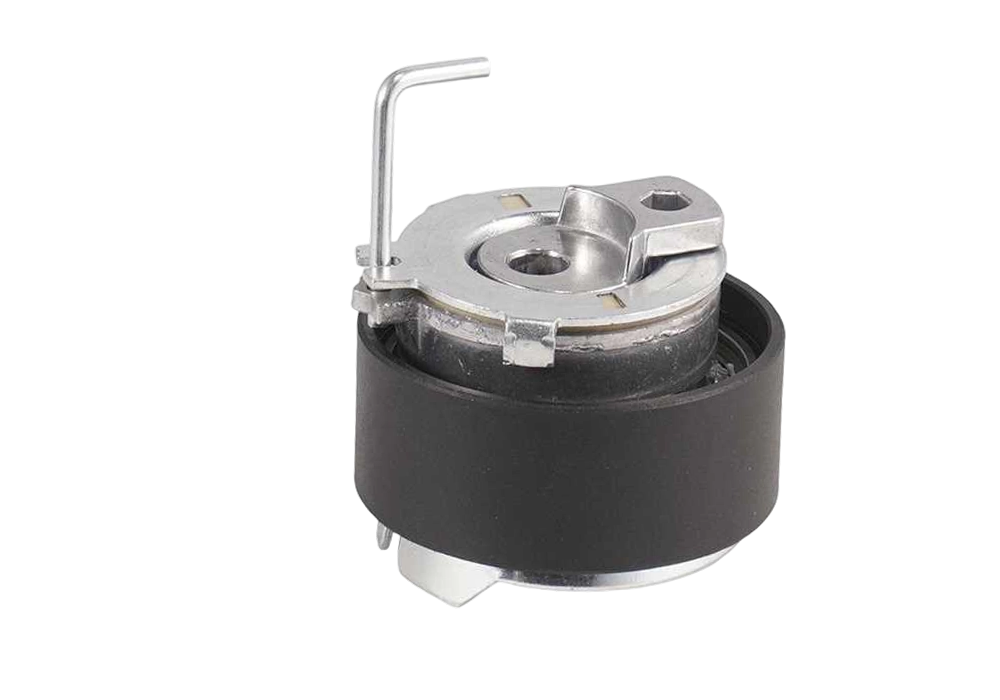
O ruído do tensor é frequentemente confundido com o ruído da correia. Se você substituir apenas a correia e o tensor estiver gasto, a nova correia logo sofrerá o mesmo problema. Quando o tensor antigo parecer áspero, estiver folgado ou emitir um som de rangido, substitua-o por uma peça de qualidade, como um Tensor da correia de transmissão com rolamento de esferas Herz .
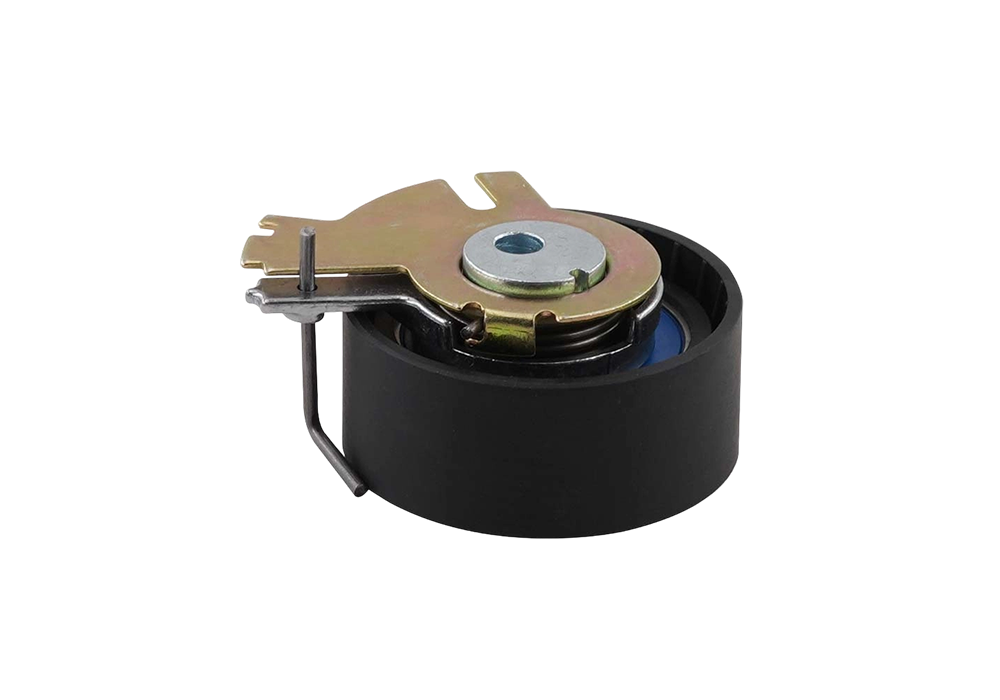 Fornecedores personalizados de rolamentos de esferas tensores de correia de transmissão HERZ, fábrica OEM/ODM - Ningb Ningbo Herz Technology Co., Ltd. é fornecedor de rolamento de esferas tensor de correia de transmissão HERZ na China e fábrica OEM, detalhes: Tensor de correia de transmissão HERZ ... Ver Produto →
 Nem todos os fabricantes usam o mesmo intervalo. Para correias serpentinas, 60.000 a 100.000 milhas é uma janela de planejamento comum, mas alguns veículos exigem uma troca de correia antes de 60.000 milhas se a correia for exposta a condições severas. Calor, vazamentos de óleo, alta umidade, poeira e tráfego constante reduzem a vida útil da correia.
Em vez de depender apenas da quilometragem, crie o hábito de inspecionar a correia a cada troca de óleo. Demora alguns segundos e pode causar danos precocemente. Considere também a idade do cinto; um cinto de cinco anos com 40.000 milhas pode ser tão usado quanto um cinto de três anos com 80.000 milhas se viver em um clima quente.
Quando a correia estiver vencida, substitua as peças relacionadas que apresentam desgaste. Uma correia substituída sozinha pode falhar novamente em breve se a polia tensora desenvolver folga. Um kit completo elimina a necessidade de reutilizar componentes antigos. Por exemplo, kits de correias de acessórios de transmissão resistentes a altas temperaturas incluem a correia e os componentes projetados para funcionarem juntos, o que reduz a chance de retornar ao mesmo problema após alguns milhares de quilômetros.
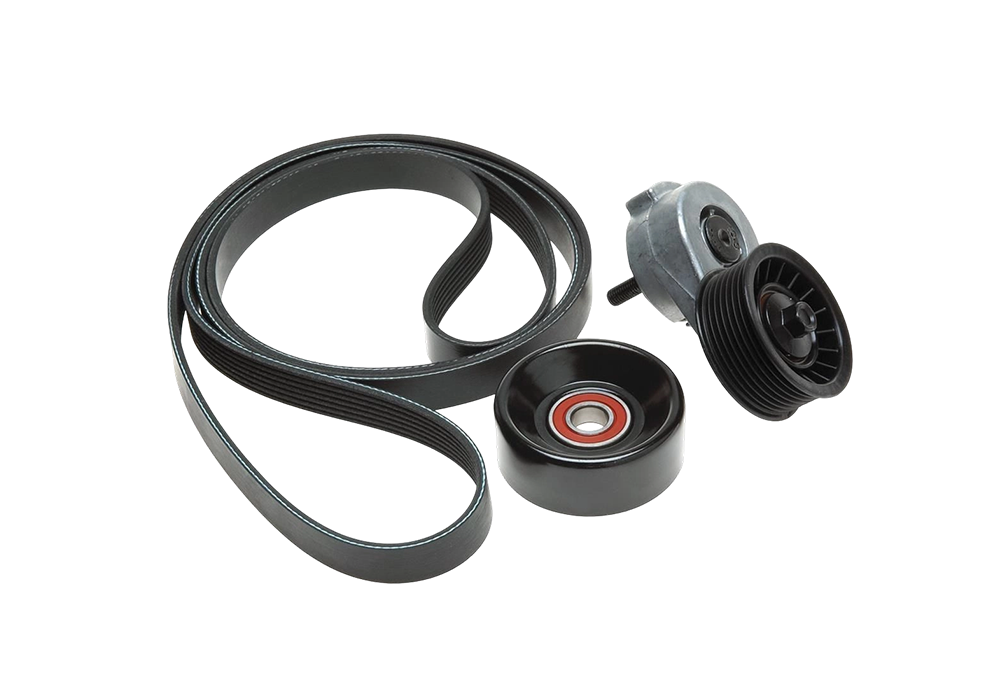 Fornecedores personalizados de kits de correia de acessórios de acionamento resistentes a altas temperaturas, OEM/ODM F Ningbo Herz Technology Co., Ltd. é um fornecedor de kits de correia de acessórios de unidade resistente a altas temperaturas na China e uma fábrica OEM, detalhes:Alta Te... Ver Produto →
 O pior resultado é uma correia quebrada no trânsito. Quando uma correia de transmissão se rompe, o alternador para de carregar, a bateria descarrega, a assistência à direção hidráulica desaparece e, em muitos veículos, a bomba d’água para de mover o líquido refrigerante. Se isso acontecer, a temperatura do motor aumentará rapidamente e você poderá causar sérios danos antes de encostar. Uma correia quebrada também pode ser lançada no ventilador ou no sistema de polias e danificar outros componentes.
Mesmo que a correia não quebre, uma correia envidraçada ou solta pode criar problemas intermitentes. A bateria pode não carregar regularmente, o motor pode funcionar mais quente que o normal ou o ar condicionado pode funcionar mal. Esses sintomas são fáceis de confundir com defeitos mais caros. Uma nova correia é uma maneira barata de descartar muitos problemas de acionamento de acessórios.
Para saber se sua correia de transmissão precisa ser substituída, você não precisa de licença de mecânico. Observe a borracha: se você notar rachaduras, pedaços faltando, vidros, bordas desgastadas ou nervuras lisas, substitua-a. Ouça a correia: um guincho, um chiado ou um rangido vindo da frente do motor é um motivo para agir. Respeite o intervalo de manutenção impresso no manual do proprietário e, em caso de dúvida, leve a correia para inspeção por um profissional. Se você ainda se sentir inseguro, o perguntas comuns sobre correia de transmissão neste site fornecem respostas diretas.




 English
 Español
 Português
 عربى
عربى